Selecting the appropriate structural steel section for a project is a crucial decision that can significantly impact the success and safety of the construction. As a supplier of structural steel sections, I’ve witnessed firsthand the importance of making the right choice. In this blog, I’ll share some key considerations and guidelines to help you select the most suitable structural steel section for your project. Structural Steel Sections
Understanding the Project Requirements
The first step in selecting the appropriate structural steel section is to have a clear understanding of the project requirements. This includes the load – bearing capacity, the span of the structure, the environmental conditions, and the architectural design.
Load – Bearing Capacity
The load – bearing capacity is perhaps the most critical factor. You need to determine the dead loads (the weight of the structure itself), live loads (such as people, furniture, and equipment), and any additional loads like wind or seismic forces. For example, in a high – rise building, the columns need to support a substantial amount of weight from the upper floors. You can calculate these loads using engineering formulas and standards. Structural engineers often use codes like the American Institute of Steel Construction (AISC) specifications to determine the required load – bearing capacity.
Span of the Structure
The span of the structure, whether it’s a beam spanning between two columns or a truss covering a large open space, influences the choice of steel section. Longer spans generally require stronger and deeper sections. For instance, in a large warehouse with a long – span roof, you might need to use wide – flange beams or trusses made of high – strength steel to prevent excessive deflection.
Environmental Conditions
The environmental conditions where the structure will be located also play a role. If the structure is in a corrosive environment, such as near the ocean or in an industrial area with chemical exposure, you’ll need to choose a steel section with appropriate corrosion – resistant properties. Galvanized steel or stainless steel can be good options in such cases. Temperature variations can also affect the performance of steel. In cold climates, steel needs to have good ductility to prevent brittle fracture.
Architectural Design
The architectural design of the project can limit or influence the choice of steel sections. For example, if the design calls for a sleek and modern look, you might prefer to use thin – walled steel sections. On the other hand, if the structure has a more traditional or heavy – duty appearance, larger and more robust sections may be more appropriate.
Types of Structural Steel Sections
There are several common types of structural steel sections, each with its own characteristics and applications.
I – Beams
I – beams, also known as H – beams, are one of the most widely used structural steel sections. They have a high moment of inertia, which makes them excellent for resisting bending moments. I – beams are commonly used in building frames, bridges, and industrial structures. The flanges of the I – beam provide resistance to bending, while the web helps to transfer shear forces.
Channels
Channels are C – shaped steel sections. They are often used for secondary structural members, such as purlins in roofing systems or supports for partitions. Channels are relatively lightweight and can be easily fabricated and installed.
Angles
Angles are L – shaped steel sections. They are used in a variety of applications, including bracing, framing, and connections. Angles can provide both strength and stability in a structure. They are available in different sizes and thicknesses to meet various design requirements.
Hollow Structural Sections (HSS)
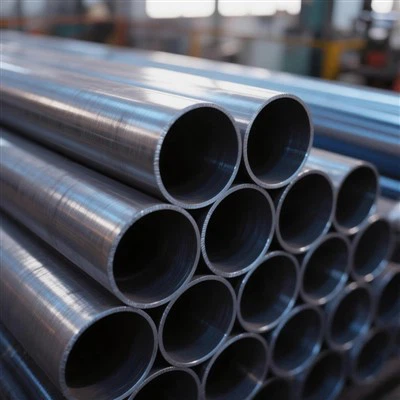
Hollow Structural Sections, such as square and rectangular tubes, are becoming increasingly popular in modern construction. They have a high strength – to – weight ratio and are aesthetically pleasing. HSS are used in a wide range of applications, from building frames to decorative elements. They are also resistant to corrosion and can be easily welded.
Selecting the Right Section
Once you have a clear understanding of the project requirements and the types of steel sections available, you can start the selection process.
Consider the Section Properties
The section properties, such as the moment of inertia, section modulus, and area, are important factors in determining the strength and stiffness of the steel section. You need to choose a section with sufficient section properties to meet the load – bearing requirements of the project. For example, if you need a beam to support a large load, you’ll want to select a beam with a high section modulus.
Check the Availability and Cost
Availability and cost are also important considerations. Some steel sections may be more readily available than others, which can affect the project schedule. Additionally, the cost of the steel section can vary depending on the type, size, and quantity. You need to balance the performance requirements with the cost to ensure that the project is cost – effective.
Consult with a Structural Engineer
It’s always a good idea to consult with a structural engineer. A structural engineer can perform detailed calculations and analysis to determine the most appropriate steel section for your project. They can also provide valuable advice on the design and construction process.
Quality Assurance
As a supplier of structural steel sections, I understand the importance of quality assurance. We ensure that all our steel sections meet the relevant industry standards and specifications. We source our steel from reputable manufacturers and conduct rigorous quality control checks.
Material Testing
We perform material testing on our steel sections to ensure that they have the required mechanical properties. This includes testing for strength, ductility, and hardness. We also check for any defects or impurities in the steel.
Certification

Our steel sections are certified to meet the relevant standards, such as ASTM (American Society for Testing and Materials) or EN (European Norm). This certification provides assurance to our customers that the steel sections they are purchasing are of high quality.
Conclusion
Cold Rolled Products Selecting the appropriate structural steel section for a project is a complex process that requires careful consideration of various factors. By understanding the project requirements, the types of steel sections available, and the selection criteria, you can make an informed decision. As a supplier of structural steel sections, we are committed to providing high – quality products and excellent customer service. If you are working on a project and need to select the right structural steel section, we would be more than happy to assist you. Contact us to discuss your project requirements and start the procurement process.
References
- American Institute of Steel Construction (AISC). (2017). Specification for Structural Steel Buildings.
- ASTM International. Various ASTM standards related to structural steel.
- European Committee for Standardization (CEN). EN standards for structural steel.
Kennen Steel International Co., Ltd.
With abundant experience, we are one of the most professional structural steel sections manufacturers and suppliers in China. We warmly welcome you to buy high quality structural steel sections in stock here and get quotation from our factory. For price consultation, contact us.
Address: No. 10, South Road, Area C2, Lecong Iron & Steel World, Shunde District, Foshan City, Guangdong Province
E-mail: info@kennensteelco.com
WebSite: https://www.kennensteelco.com/
