Hey there! I’m working for an automotive connector supplier, and today I wanna chat about what it takes to manage automotive connector cables. It’s a topic that’s super important in our industry, and I’m stoked to share some insights. Automotive Connector
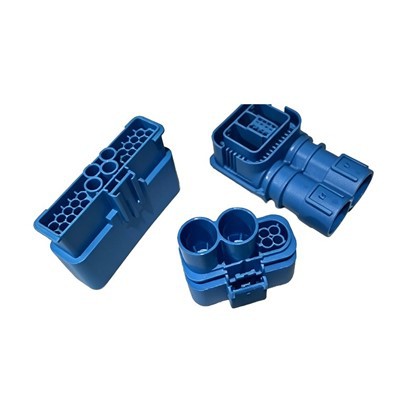
First off, let’s talk about safety. Safety is like the number – one rule in automotive connector cable management. You see, the cables in a car are carrying all sorts of electrical signals, from powering the lights to controlling the engine. If the cables aren’t managed properly, it can lead to some serious problems, like short – circuits or even fires.
One key safety requirement is insulation. The cables need to have good insulation to prevent any electrical leakage. We use high – quality insulating materials to make sure the electricity stays where it should be. And it’s not just about the type of insulation; the integrity of the insulation over time is crucial. Cars go through all sorts of conditions, from extreme heat in the desert to freezing cold in the mountains. The insulation has to be able to withstand these temperature variations without breaking down.
Another safety aspect is strain relief. Cables in a car are often subject to vibrations, movements, and pulling forces. If there’s no proper strain relief, the cables can get damaged at the connection points. We design our connectors with built – in strain relief features. For example, we might use rubber grommets or clamps to hold the cables firmly in place, so they don’t get yanked out or damaged when the car is moving around.
Now, let’s move on to organization. A car’s electrical system is like a big, complex network. And just like a messy room can make it hard to find what you need, a disorganized cable setup in a car can cause a lot of headaches.
Neat routing is a must. We need to plan out how the cables will run through the car. They should avoid sharp edges and hot components. For instance, we don’t want a cable rubbing against a metal bracket or getting too close to the exhaust system. We use cable trays, conduits, and clips to keep the cables in place and guide them along the right path.
Labeling is also super important. When a mechanic needs to work on the car’s electrical system, they need to know which cable is which. We label our cables clearly, so it’s easy to identify them. This not only saves time during maintenance but also reduces the risk of making mistakes when reconnecting cables.
Next up, durability. Cars are built to last, and so should the connector cables. The cables are exposed to a lot of wear and tear over their lifespan.
Resistance to chemicals is a major factor. In a car, there are all kinds of fluids, like gasoline, oil, and coolant. These chemicals can be pretty harsh on the cables. We choose cable materials that are resistant to these chemicals. For example, some of our cables have a special coating that protects them from the corrosive effects of gasoline.
Flexibility is another aspect. During the installation process, the cables need to be bent and routed into tight spaces. They also need to be flexible enough to move with the car’s components. But at the same time, they can’t be too flexible that they become weak and break easily. We find the right balance between flexibility and strength in our cable designs.
EMC (electromagnetic compatibility) is another big requirement. In modern cars, there are so many electronic devices and systems working at the same time. These devices generate electromagnetic fields, and if the cables aren’t properly shielded, it can cause interference.
We use shielding in our cables to block out unwanted electromagnetic signals. This helps to ensure that the signals in the cables are clear and accurate. For example, in a car’s infotainment system, proper shielding in the cables is essential for good audio and video quality. Without it, you might get static or interference in the sound or a fuzzy picture on the screen.
Lastly, ease of installation and maintenance. We know that time is money in the automotive industry. So, our connector cables are designed to be easy to install.
Modular design is our go – to. We break down the cable systems into smaller, modular components. This makes it easier for technicians to install the cables piece by piece. If something goes wrong with a specific part of the cable system, it can be easily replaced without having to replace the whole thing.
And we also provide clear installation instructions. We want to make sure that anyone working on the car’s electrical system can install our cables correctly.
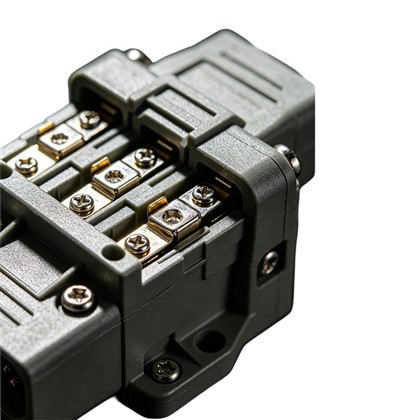
So, if you’re in the automotive business and looking for high – quality automotive connector cables that meet all these requirements, we’ve got you covered. We’re always happy to chat about your specific needs and see how we can help. Whether you’re building a new car model or needs parts for maintenance, reach out to us. We’re just a message away, and we’re looking forward to starting a conversation about how our products can fit into your projects.
Automotive Connector References:
- "Automotive Electrical and Electronic Systems" textbooks
- Industry research reports on automotive connector technology
- Technical specifications from automotive manufacturers
Modelon Precision Industry (Suzhou) Co., Ltd.
With abundant experience, we are one of the most professional automotive connector manufacturers and suppliers in China. Welcome to buy customized automotive connector at competitive price from our factory. If you have any enquiry about pricelist, please feel free to email us.
Address: 1st Floor, Building 22, No. 2628 North Gate Road, Kunshan City, Jiangsu Province, P.R.China
E-mail: jessica_huang2025@163.com
WebSite: https://www.modeloncn.com/
