Hey everyone, if you’ve ever grabbed one of our butane gas torches for soldering jewelry, searing crème brûlée, or even lighting a campfire on a chilly weekend, you know they’re total workhorses. But let’s be real—nothing kills a project faster than realizing your torch is dead mid-use, and fumbling with a refill can turn a 2-minute task into a frustrating mess. I’ve heard it all from customers: “I overfilled it and it leaked all over my counter,” “I used the wrong can and my torch won’t light at all,” “I waited too long after refilling and now it sputters.” That’s why I’m putting this together—straight from our team at the torch supply end, no fancy jargon, just the real, step-by-step way we recommend refilling these things. Butane Gas Torch
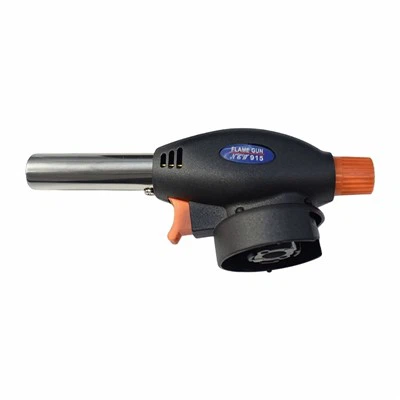
First off, let’s talk why this matters. A lot of people think refilling a butane torch is just stick a can in and go, but skipping basic safety or doing it wrong isn’t just annoying—it can be dangerous. Butane is flammable, full stop. We see a handful of messed-up torches every month that came from bad refills, so let’s nip that in the bud before you even touch a can. Quick heads up: this guide works for nearly all standard handheld butane torches (the ones with the small refill valve on the bottom, right? The tiny metal nub under a plastic cover). If yours is a big industrial one for soldering large metal pieces, double-check the manual, but 90% of the everyday ones you buy from us follow these same rules.
First, gather your stuff. No, you don’t need a lab, but you do need a few basic things you probably already have lying around, plus one thing that’s non-negotiable. Let’s list ‘em out clearly, no hidden costs: 1. Your butane torch. Duh. 2. The right butane can. This is the big one. Don’t just grab any butane can from the dollar store. We always tell customers to get the “triple-filtered” or “ultra-pure” butane. Why? Cheaper, unfiltered butane has gunk and impurities that clog your torch’s tiny valve or nozzle. Once that clogs, you’re either buying a new torch or paying to get it fixed—and honestly, it’s not worth it. We sell our own branded butane too, but any good triple-filtered one works, just make sure the nozzle on the can matches your torch’s refill valve. Most handheld torches use the standard long, thin nozzle on butane cans, so just double-check the can says it’s for torches, not lighters. 3. A well-ventilated area. This is the non-negotiable safety thing. Don’t do this in a closed closet, over a hot stove, or near an open flame. I once had a customer come back fuming (pun intended) because he refilled his torch while his pizza was in the oven, and the butane fumes caught a tiny spark and singed his apron. Bad. Go outside, or at least stand right by an open window with a fan blowing air away from you. No sparks, no heat sources within 10 feet, period. 4. Paper towel or a rag. Just in case you spill a little, or butane drips when you’re done. 5. (Optional, but super helpful) A small freezer, like a mini dorm fridge. Wait, that’s not a trick—hear me out. When you fill a torch, the pressure inside drops and the butane gets cold, and waiting 10-15 minutes is good, but putting the torch in the freezer (unopened, obviously) for 5 minutes before refilling keeps the valve more stable and helps you avoid overfilling. It’s a pro tip from our tech team, trust me.
Okay, now prep. Let’s get the torch ready first. Turn the flame adjustment knob all the way down—like, all the way counterclockwise until it won’t go anymore. This is so important. If you leave it turned up, air or old gas can get stuck in the line, and when you refill, you’ll get way too much pressure. Next, purge the old air and leftover gas. Most people skip this, and that’s why their new butane comes out sputtering. Take the butane can, turn it upside down, hold the torch bottom up, and press the refill valve (that tiny metal nub) gently with the nozzle of the butane can, or a small flathead screwdriver if you don’t have the can handy. Only press it for 1-2 seconds. You’ll hear a little hiss—that’s the old air and gas escaping. Don’t hold it longer than that, you don’t want to drain all the butane out completely, just get rid of the air. That step alone fixes 70% of the “my torch won’t light” complaints we get.
Now, the actual refill part. This is where most people mess up. First, if you’re using that freezer trick, take the torch out of the freezer now. Grab your butane can, hold it upright, and turn it upside down so the nozzle is lined up perfectly with the torch’s refill valve. Make sure they’re aligned straight—if you tilt it, you’ll spill butane. Press the can firmly and evenly onto the valve. Don’t squeeze the butane can hard, and don’t push the torch itself, just steady pressure. Now, here’s the key: hold it for only 3-5 seconds at a time. Wait 10 seconds. Repeat that 2-3 times total. Wait, why not just hold it until it’s full? Because butane is a liquid under pressure, and if you force too much in too fast, it will leak, and can even damage the valve. A full handheld torch takes about 7-10 seconds total of refilling, spread out in those short bursts. You’ll notice the torch getting a little cold to the touch, that’s normal. Stop before it’s as hard as a rock—if it feels like it’s bulging or too heavy, you overfilled it. I’ve seen guys hold the can too long, and the butane seeps out around the valve, makes a big mess. Don’t be that guy.
Once you’re done refilling, wait. This is another step people skip and regret. Let the torch sit for at least 1 minute, preferably 5. Why? Because the pressure inside needs to equalize, and any excess butane that’s on the outside of the valve needs to evaporate. If you try to light it right away, you’ll get a little flash of flame around the valve, and it’s not safe. Also, don’t test it inside right away—take it back outside if you did the refill inside, or go to an open area to test. Turn the flame knob slowly clockwise, and light it. If it sputters, or is super weak, turn it all the way down again, purge the valve for 1 second, and try a tiny refill burst again. If it’s working great, you’re done. Wipe down the torch with a paper towel to get any excess butane off, put the cap on, and you’re good to go for your next project.
Wait, let’s talk about common mistakes we see all the time, because these are the ones that turn a simple refill into a headache. First, using cheap butane. I can’t stress this enough. Last month, a customer brought in 4 torches that were all clogged with gunk from a $1 can he bought at the gas station. Each one cost him $15 to unclog, plus he had to replace two because the nozzle was too damaged. Stick to triple-filtered, we sell it here, it’s worth the extra couple bucks. Second, refilling a warm torch. If you just used your torch and it’s hot, wait 10 minutes for it to cool down before refilling. Hot metal expands, so if you pour cold butane into a warm valve, it can crack or leak. That’s why the freezer trick works so well—cooling the torch makes the refilling process smoother, no temperature shock. Third, overfilling. Like I said earlier, stop when it’s not way heavier than before. A standard small handheld torch is like 1-2 ounces empty, so when it’s full, it’s about 3-4 ounces max. If you can’t lift it easily, you overdid it. Fourth, not purging. I mentioned this earlier, but it’s worth repeating. Air in the line is the #1 reason torches sputter after refilling. That 1-second press of the valve fixes it almost every time. Fifth, refilling in a bad spot. I get it, sometimes you’re in your kitchen and need to refill before baking, but do it at the sink, with the fan on, and no open flames. Even a pilot light on your gas stove is enough to ignite fumes.
Also, a quick note on different torch types. If you have a bigger torch, like a tabletop one for jewelry making or a larger handheld for soldering pipes, the process is almost the same, but the refill burst time is a little longer—like 5 seconds per burst, wait 10, repeat 3 times. But always check the valve: if your valve is different, like a screw-on type, don’t force it. Most screw-on butane torches come with a matching butane can, so just follow the instructions that came with it. And never, ever refill a torch that’s damaged—if the valve is bent, or the body is cracked, don’t fill it. Throw it away, because even a small leak can cause a fire.
Now, why choose us for your butane torch supplies, by the way? We’ve been in this game for years, so we know exactly what works and what doesn’t. Our butane is triple-filtered, no gunk, no impurities, perfect for every handheld and small industrial torch we sell. Our torches are built with durable valves that handle refills right every time, so you don’t have to deal with the clogging and leaking that cheap brands give you. We also have a whole guide for specific projects—like how to use your crème brûlée torch for that perfect caramel top, or how to adjust the flame on your soldering torch for small jewelry pieces—so if you ever need tips beyond refilling, hit us up.
Wait, let’s circle back to safety one more time, because it’s non-negotiable. Butane is highly flammable, so never refill near open flames, sparks, or heat sources. Never smoke while refilling or handling butane cans. Store butane cans in a cool, dry place, away from direct sunlight—they can explode if they get too hot. If you ever spill butane, don’t try to light it, just let it evaporate on its own, and open a window to air out the area. If you get butane on your skin, wash it off with warm water and soap right away, it’s a skin irritant.

Alright, that’s pretty much everything you need to know about refilling your butane torch correctly. It’s not rocket science, it just takes paying attention to a few simple steps, and using the right supplies. No more wasted projects, no more leaking torches, no more fumbling around with cheap butane that clogs your nozzle. If you’re running low on butane, or looking to grab a new torch for your next project, we’ve got you covered. Shoot us a message to chat about your needs, whether it’s for home baking, jewelry making, plumbing, or anything in between—we’ll help you pick exactly what works.
Gas Torch References:
- National Fire Protection Association. (2020). NFPA 307: Standard for the Construction and Fire Protection of Marine Terminals, Piers, and Wharves.
- Occupational Safety and Health Administration. (2022). Safety and Health Topics: Flammable and Combustible Liquids.
- Consumer Product Safety Commission. (2021). Safety Guidelines for Portable Butane Torches and Refill Cans.
- International Society of Jewelry Manufacturing Professionals. (2023). Best Practices for Torch Maintenance and Refill for Jewelry Soldering.
- American Culinary Federation. (2022). Safety and Proper Use of Culinary Butane Torches for Professional and Home Chefs.
Yuhuan Shunshida Intelligent Electromechanical Co., Ltd.
As one of the most professional bayonet spray gun manufacturers and suppliers in China, we’re featured by quality products and good service. Please rest assured to buy durable bayonet spray gun at low price from our factory. We also accept customized orders.
Address: No. 186 East Nanxing Road, Chumen Town, Yuhuan City, Zhejiang Province
E-mail: yuhuanshunshida@gmail.com
WebSite: https://www.cmssdgastorch.com/
