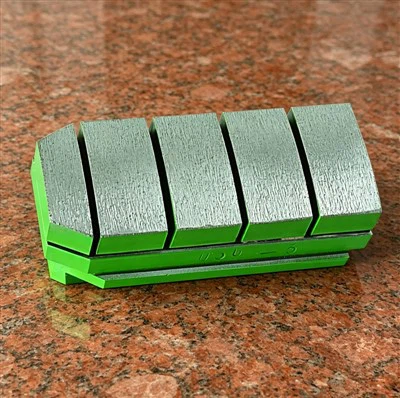
As a supplier of irregular stone abrasives, I’ve witnessed firsthand the widespread use of these materials across various industries, from construction to manufacturing. While irregular stone abrasives offer numerous benefits, including high durability and effective material removal, it’s crucial to address the potential health risks associated with their use. In this blog post, I’ll delve into the scientific aspects of these risks and provide insights for both users and potential buyers. Irregular Stone Abrasive

Respiratory Risks
One of the most significant health concerns associated with using irregular stone abrasives is the inhalation of respirable crystalline silica (RCS). When these abrasives are used, especially during cutting, grinding, or sanding processes, they can generate fine dust particles containing silica. Silica is a common mineral found in many types of stones, and prolonged exposure to RCS can lead to serious respiratory diseases.
Silicosis is a well-known occupational lung disease caused by the inhalation of RCS. It is characterized by the formation of scar tissue in the lungs, which can lead to difficulty breathing, reduced lung function, and in severe cases, respiratory failure. Another concern is lung cancer. The International Agency for Research on Cancer (IARC) has classified crystalline silica as a Group 1 carcinogen, meaning it is known to cause cancer in humans. Additionally, exposure to RCS has been linked to other respiratory conditions such as chronic obstructive pulmonary disease (COPD) and tuberculosis.
To mitigate these risks, it’s essential to implement proper dust control measures. This includes using wet cutting or grinding techniques, which can significantly reduce the amount of dust generated. Local exhaust ventilation systems can also be installed to capture and remove dust at the source. Workers should wear appropriate personal protective equipment (PPE), such as respirators, to prevent inhalation of dust particles.
Skin and Eye Irritation
Irregular stone abrasives can also pose risks to the skin and eyes. The rough and sharp edges of the stones can cause physical abrasions and cuts if they come into direct contact with the skin. Additionally, the dust generated during the use of these abrasives can contain chemicals and minerals that may cause skin irritation or allergic reactions.
Eye injuries are another potential risk. Dust particles can be easily blown into the eyes, causing irritation, redness, and in severe cases, corneal abrasions. To protect the skin and eyes, workers should wear protective clothing, gloves, and safety goggles. Regular handwashing and proper cleaning of work areas can also help reduce the risk of skin and eye exposure.
Noise Pollution
The use of irregular stone abrasives often involves the use of power tools, which can generate high levels of noise. Prolonged exposure to high noise levels can lead to hearing loss and other auditory problems. Workers should use hearing protection devices, such as earplugs or earmuffs, to reduce their exposure to noise. Employers should also ensure that work areas are properly designed to minimize noise levels and provide regular hearing tests for workers.
Chemical Contamination
Some irregular stone abrasives may contain trace amounts of heavy metals or other chemicals. When these abrasives are used, these chemicals can be released into the environment and potentially contaminate the air, water, and soil. This can pose a risk to both workers and the general public.
To address this issue, it’s important to source irregular stone abrasives from reputable suppliers who can provide information about the chemical composition of their products. Additionally, proper waste management practices should be implemented to ensure that any waste generated during the use of these abrasives is disposed of safely and in accordance with environmental regulations.
Risk Management and Prevention
As a supplier of irregular stone abrasives, I understand the importance of providing our customers with products that are not only effective but also safe to use. We take several steps to ensure the safety of our products, including conducting regular quality control checks and providing detailed product information and safety guidelines.
We also encourage our customers to implement comprehensive risk management programs. This includes conducting risk assessments to identify potential hazards, providing appropriate training to workers on the safe use of our products, and implementing control measures to minimize the risks associated with their use.
Conclusion
While irregular stone abrasives offer many benefits, it’s essential to be aware of the potential health risks associated with their use. By implementing proper safety measures and risk management strategies, we can minimize these risks and ensure the health and well-being of workers and the general public.
Diamond Fickert Abrasive If you’re interested in purchasing irregular stone abrasives for your business, I invite you to contact us for more information. Our team of experts can provide you with detailed product specifications, safety guidelines, and pricing information. We’re committed to providing high-quality products and excellent customer service, and we look forward to working with you.
References
- International Labour Organization (ILO). (2018). Safety and health in the use of abrasive products.
- National Institute for Occupational Safety and Health (NIOSH). (2018). Current Intelligence Bulletin 68: Preventing Silicosis in Construction.
- World Health Organization (WHO). (2017). Occupational exposure to crystalline silica.
Quanzhou Cheefung New Materials Co., Ltd.
As one of the most experienced irregular stone abrasive enterprises in China, we are able to meet the needs of the majority of our customers. Please feel free to wholesale advanced irregular stone abrasive made in China here from our factory. For price consultation, contact us.
Address: Jinshan Community, Licheng District, Quanzhou City, Fujian, China
E-mail: info@prostonetools.com
WebSite: https://www.prostonetools.com/
