What are the acoustic materials for reducing structure – borne noise?
As a supplier of acoustic materials, I’ve witnessed firsthand the growing demand for effective solutions to combat structure – borne noise. Structure – borne noise is a unique type of noise that travels through solid structures such as floors, walls, and ceilings. Unlike airborne noise, which is transmitted through the air, structure – borne noise can be more challenging to address because it involves vibrations within the building’s structure. Acoustic Material

Understanding Structure – Borne Noise
Before delving into the acoustic materials, it’s essential to understand how structure – borne noise is generated. It often results from mechanical equipment like elevators, HVAC systems, and industrial machinery. When these devices operate, they create vibrations that are transferred to the building’s structure. These vibrations then propagate through the solid materials, causing noise to be heard in different parts of the building.
For example, in a multi – story building, the operation of a compressor on the rooftop can send vibrations down through the building’s columns and beams, resulting in audible noise on lower floors. This type of noise can be not only annoying but also have a negative impact on the comfort and productivity of the building’s occupants.
Acoustic Materials for Reducing Structure – Borne Noise
Vibration Isolators
Vibration isolators are one of the most effective materials for reducing structure – borne noise. They work by interrupting the transmission of vibrations from the source to the structure. These isolators are typically made of rubber, neoprene, or spring materials.
Rubber isolators are widely used due to their excellent damping properties. They can absorb and dissipate the energy of vibrations, preventing them from spreading through the structure. For instance, in an industrial setting, rubber isolators can be placed under heavy machinery to reduce the vibrations transferred to the floor.
Spring isolators, on the other hand, are suitable for applications where larger loads need to be supported. They can provide a high degree of isolation by allowing the equipment to move independently from the structure. This is particularly useful for large HVAC units or generators.
Mass – Loaded Vinyl (MLV)
Mass – Loaded Vinyl is a dense, flexible material that is highly effective in reducing structure – borne noise. It works by adding mass to the structure, which helps to dampen vibrations. MLV can be installed on walls, floors, and ceilings to create a barrier against noise transmission.
One of the advantages of MLV is its versatility. It can be easily cut and installed in various shapes and sizes. In addition, it is relatively thin, which makes it a practical solution for retrofit applications where space is limited. For example, in an existing office building, MLV can be installed on the interior walls to reduce the noise from adjacent rooms or from the outside.
Resilient Channels
Resilient channels are metal or plastic strips that are installed between the wall studs or ceiling joists and the finishing materials. They act as a buffer, separating the structure from the finishing surface and reducing the transmission of vibrations.
By using resilient channels, the vibrations are less likely to be transferred from the structure to the finished wall or ceiling, resulting in a significant reduction in structure – borne noise. They are commonly used in residential and commercial construction projects, especially in areas where noise control is a priority, such as recording studios or hospitals.
Acoustic Underlayment
Acoustic underlayment is a material that is placed between the subfloor and the finished flooring. It helps to reduce the impact noise and structure – borne noise caused by foot traffic, furniture movement, and other activities on the floor.
There are different types of acoustic underlayment available, including foam, rubber, and felt. Foam underlayment is lightweight and easy to install, while rubber underlayment provides excellent sound absorption and damping properties. Felt underlayment is also a popular choice due to its natural sound – absorbing qualities.
Case Studies
To illustrate the effectiveness of these acoustic materials, let’s look at a few case studies.
In a large commercial office building, the HVAC system was causing significant structure – borne noise on multiple floors. By installing vibration isolators under the HVAC units and MLV on the walls and ceilings of the mechanical rooms, the noise levels were reduced by up to 50%. This improvement not only enhanced the comfort of the building’s occupants but also improved the overall productivity.
In a residential apartment complex, the use of acoustic underlayment between the subfloor and the hardwood flooring reduced the impact noise from upstairs neighbors. Tenants reported a significant improvement in the quietness of their living spaces, leading to higher tenant satisfaction.
Choosing the Right Acoustic Materials
When selecting acoustic materials for reducing structure – borne noise, several factors need to be considered.
Firstly, the type and source of the noise are crucial. Different materials are more effective for different types of vibrations. For example, if the noise is coming from heavy machinery, vibration isolators and MLV may be the best options. If the noise is mainly due to foot traffic, acoustic underlayment would be more appropriate.
Secondly, the location and application of the materials are important. In some cases, a combination of different materials may be required to achieve the desired noise reduction. For instance, in a recording studio, a combination of resilient channels, MLV, and acoustic panels may be used to create a sound – proof environment.
Lastly, the cost and installation requirements of the materials should also be taken into account. Some materials may be more expensive but offer better performance, while others may be more budget – friendly but require more complex installation.
Conclusion
Reducing structure – borne noise is a critical aspect of creating comfortable and quiet environments in buildings. As an acoustic material supplier, I’m committed to providing high – quality products that can effectively address this issue. Whether it’s vibration isolators, mass – loaded vinyl, resilient channels, or acoustic underlayment, each material plays a vital role in reducing structure – borne noise.
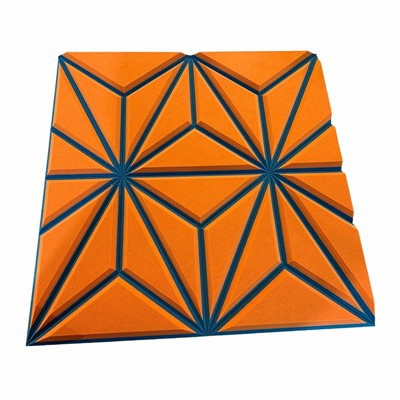
Acoustic Panels If you’re facing structure – borne noise problems in your building and are looking for effective solutions, I encourage you to reach out to me. We can discuss your specific needs and recommend the most suitable acoustic materials for your project. Let’s work together to create a quieter and more comfortable space.
References
- Beranek, Leo L. Noise and Vibration Control. McGraw – Hill, 1971.
- Kryter, Karl D. The Handbook of Noise Control. CRC Press, 1994.
- Salomons, Eric M. Fundamentals of Noise and Vibration Analysis for Engineers. John Wiley & Sons, 2001.
Suzhou Trano New Material Technology Co., Ltd.
As one of the most professional acoustic material manufacturers and suppliers in China, we also support customized service. Please feel free to buy bulk high quality acoustic material for sale here from our factory. For price consultation, contact us.
Address: SuZhou
E-mail: info@trano-tech.com
WebSite: https://www.tranofelt.com/
