Hey there! I’m a supplier of filter cartridge dust collectors, and today I wanna chat about how to ensure the proper sealing of these bad boys. It’s a crucial aspect that can make or break the performance of your dust collector, so let’s dive right in. Filter Cartridge Dust Collector
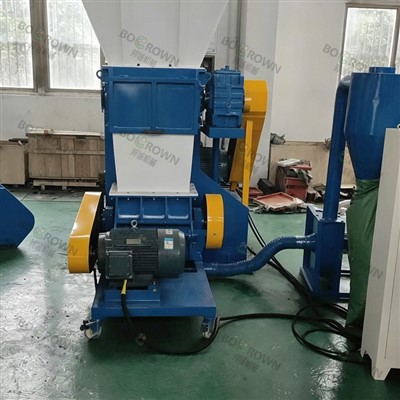
First off, why is proper sealing so important? Well, a well – sealed filter cartridge dust collector prevents dust from leaking out into the surrounding environment. This is not only important for maintaining a clean and safe workspace but also for the efficiency of the dust collection system. If dust leaks, it means the collector isn’t doing its job effectively, and you could end up with a dusty mess and potential health hazards for your workers.
1. Selecting the Right Sealing Materials
The first step in ensuring proper sealing is choosing the right materials. There are a few different types of seals commonly used in filter cartridge dust collectors.
Gasket Seals
Gaskets are a popular choice. They come in various materials like rubber, silicone, and neoprene. Rubber gaskets are great because they’re flexible and can conform to the shape of the filter cartridge and the housing. Silicone gaskets, on the other hand, are more resistant to high temperatures and chemicals. Neoprene gaskets are durable and can withstand a wide range of environmental conditions.
When selecting a gasket, make sure it’s the right size and shape for your filter cartridge. A gasket that’s too big or too small won’t create a proper seal. You also need to consider the operating conditions of your dust collector. If it’s going to be in a high – temperature environment, a silicone gasket might be the way to go.
O – Ring Seals
O – rings are another option. They’re circular seals that fit into grooves around the filter cartridge. O – rings are known for their excellent sealing properties and can be made from different materials like nitrile, Viton, or EPDM. Nitrile O – rings are good for general – purpose applications, while Viton O – rings are more resistant to chemicals and high temperatures. EPDM O – rings are great for outdoor applications because they’re resistant to weathering.
Just like with gaskets, choosing the right size and material for your O – ring is crucial. A poorly fitting O – ring can lead to leaks, so take the time to measure and select the appropriate one.
2. Proper Installation of Seals
Once you’ve got the right sealing materials, the next step is to install them correctly.
Gasket Installation
When installing a gasket, make sure the surfaces where the gasket will be placed are clean and free of debris. Any dirt or dust on the surfaces can prevent the gasket from creating a proper seal. You can use a clean cloth and a mild solvent to clean the surfaces.
Place the gasket carefully on the filter cartridge or the housing, making sure it’s centered and properly aligned. Then, when you attach the filter cartridge to the housing, apply even pressure all around to ensure the gasket is compressed evenly. This will create a tight seal.
O – Ring Installation
Installing an O – ring is a bit different. First, make sure the groove where the O – ring will be placed is clean and in good condition. There should be no nicks or scratches in the groove that could damage the O – ring.
Lubricate the O – ring with a compatible lubricant. This will make it easier to install and also help prevent damage to the O – ring during installation. Carefully place the O – ring into the groove, making sure it’s fully seated. When you assemble the filter cartridge and the housing, be gentle to avoid displacing the O – ring.
3. Regular Inspection and Maintenance
Proper sealing isn’t a one – time thing. You need to regularly inspect and maintain the seals in your filter cartridge dust collector.
Visual Inspections
Do visual inspections of the seals on a regular basis. Look for signs of wear, damage, or deformation. If you see any cracks, tears, or signs of aging in the gaskets or O – rings, it’s time to replace them.
Check the alignment of the seals as well. Sometimes, vibrations or normal wear and tear can cause the seals to shift out of place. If you notice any misalignment, you’ll need to re – position the seals or make any necessary adjustments.
Pressure Testing
Another way to check the sealing integrity is through pressure testing. You can use a pressure gauge to measure the pressure inside the dust collector. If the pressure drops unexpectedly, it could be a sign of a leak in the seals.
You can also use a smoke test. Introduce a small amount of smoke into the dust collector and look for any signs of smoke leaking out. This can help you pinpoint the location of any leaks.
4. Training Your Staff
Your staff plays a crucial role in ensuring the proper sealing of your filter cartridge dust collector. Make sure they’re properly trained on how to install, inspect, and maintain the seals.
Provide them with clear instructions on the correct procedures for handling the seals. Teach them how to identify signs of wear and damage and what to do if they find any issues.
Encourage your staff to report any problems they notice with the seals right away. This can help prevent small issues from turning into big problems and ensure the continued proper operation of your dust collector.
5. Compatibility with the Filter Cartridge and Housing
The seals you choose need to be compatible with both the filter cartridge and the housing. Different filter cartridges and housings have different materials and surface finishes, and the seals need to work well with them.
For example, if your filter cartridge is made of a certain type of plastic, you need to make sure the gasket or O – ring material won’t react with it. The same goes for the housing. If the housing is made of metal, you need to choose a seal that won’t corrode or cause any damage to the metal.
6. Environmental Considerations
The environment in which your filter cartridge dust collector operates can also affect the sealing. If it’s in a high – humidity environment, for example, the seals might be more prone to mold and mildew growth. In this case, you might need to choose a seal material that’s more resistant to moisture.
If the dust collector is exposed to extreme temperatures, either hot or cold, the seals need to be able to withstand those conditions. High – temperature environments can cause the seals to expand and lose their shape, while cold temperatures can make them brittle and more likely to crack.
In conclusion, ensuring the proper sealing of a filter cartridge dust collector is a multi – step process. It involves selecting the right sealing materials, installing them correctly, regular inspection and maintenance, training your staff, considering compatibility, and taking environmental factors into account.
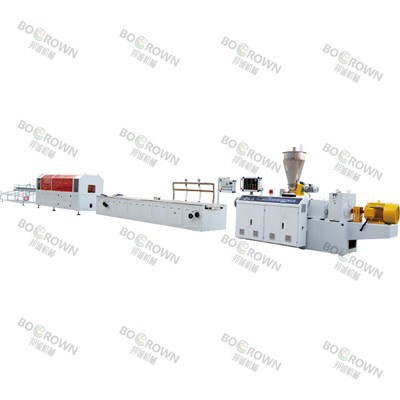
If you’re in the market for a filter cartridge dust collector or need help with sealing solutions, I’d love to chat. We’ve got a wide range of high – quality products and can provide you with expert advice on how to keep your dust collector working at its best. So, don’t hesitate to reach out and start a conversation about your specific needs.
PE/PET/PP/ABS Sheet Extrusion Production Line References:
- Industrial Filtration Handbook
- Dust Collection System Design and Operation Manual
ZJG BC Machinery Co., Ltd.
As one of the most professional filter cartridge dust collector manufacturers and suppliers in China, we’re featured by quality products and good price. Please rest assured to buy cost-efficient filter cartridge dust collector for sale here from our factory. Contact us for custom service and OEM service.
Address: No.8 Lexi Road, Leyu Town, Zhangjiagang City
E-mail: sales@bcextruder.com
WebSite: https://www.bcextruder.com/
