Selecting the right packaging roll film for food is a critical decision that impacts not only the product’s shelf – life but also its overall appeal to consumers. As a seasoned packaging roll film supplier, I’ve witnessed firsthand how the proper choice can elevate a food brand, while a poor one can lead to significant drawbacks. In this blog, I’ll share some key steps and considerations to help you make an informed decision. Packaging Roll Film

Understanding Food Packaging Requirements
The first step in choosing the right packaging roll film is to understand the specific requirements of the food product. Different foods have different needs, and the packaging must be able to meet these needs to preserve the quality and safety of the food.
1. Oxygen and Moisture Barrier
Oxygen is one of the main enemies of food products, as it can cause oxidation, which leads to spoilage, color change, and loss of flavor. Moisture can also have a negative impact on food quality, causing mold growth, sogginess, or drying out. For products like nuts, coffee, and dried fruits, a high – oxygen and moisture barrier film is essential. For example, aluminum – laminated films are excellent at blocking both oxygen and moisture, providing a long – shelf life for these types of products.
On the other hand, some fresh produce may require a film with a certain level of gas permeability to allow for the exchange of oxygen and carbon dioxide. This helps to maintain the respiration process of the produce, keeping it fresh for a longer time. Micro – perforated films are often used for this purpose, as they can control the gas exchange rate.
2. Temperature Resistance
Food products may go through various temperature conditions, from freezing to high – temperature processing such as pasteurization. The packaging film must be able to withstand these temperature changes without losing its integrity. For frozen foods, films need to be flexible at low temperatures to prevent cracking. Polyethylene (PE) films are commonly used for frozen food packaging due to their excellent low – temperature flexibility.
For products that require high – temperature processing, such as retort – packed foods, films with high – temperature resistance are necessary. Polyester (PET) and polypropylene (PP) films are often used in these applications because they can withstand the high temperatures involved in the retort process.
3. Chemical Compatibility
The packaging film should be chemically compatible with the food product. Some foods, such as acidic or fatty foods, can react with certain plastics, causing migration of chemicals from the film into the food. This can not only affect the taste and odor of the food but also pose a potential health risk. When packaging acidic foods like tomatoes or citrus fruits, it’s important to choose a film that is resistant to acid. EVOH (Ethylene Vinyl Alcohol) – based films are often a good choice as they have excellent chemical resistance.
Considering Packaging Design and Functionality
Beyond the basic requirements for food preservation, the packaging design and functionality also play an important role in choosing the right roll film.
1. Sealing Properties
Good sealing properties are crucial for maintaining the integrity of the package. Different sealing methods, such as heat sealing, ultrasonic sealing, or cold sealing, require films with specific sealing characteristics. For example, heat – sealable films need to have a low – melting – point layer that can bond together when heat is applied. Polyethylene is a common material for heat – seal layers because it has a relatively low melting point and forms a strong seal.
2. Printability
In today’s competitive market, product branding and marketing are essential. The packaging film should be printable to allow for the display of product information, logos, and nutritional details. Films with good surface energy are more receptive to printing inks. Some films may require surface treatment, such as corona treatment, to enhance their printability. Polypropylene films, after proper surface treatment, can provide excellent printability, allowing for high – quality graphics and text.
3. Ease of Use
The packaging film should be easy to handle and process on packaging machinery. It should have the right level of flexibility and tear resistance. For example, if the packaging process involves high – speed filling machines, the film needs to run smoothly without jamming or tearing. A film with consistent thickness and good mechanical properties can ensure smooth operation on the packaging line.
Evaluating Environmental Impact
In recent years, environmental concerns have become increasingly important in the food packaging industry. Consumers are more aware of the environmental impact of packaging materials, and many are actively seeking products with sustainable packaging.
1. Recyclability
Look for roll films that are recyclable. Some films, such as mono – material films made of a single type of plastic, are easier to recycle than multi – layer composite films. For example, polyethylene films can be recycled into new plastic products, reducing the environmental burden.
2. Biodegradability
Biodegradable films are another option for environmentally conscious food packaging. These films are made from natural or renewable materials that can break down in the environment over time. Polylactic acid (PLA) is a popular biodegradable polymer used in food packaging. It’s derived from renewable resources such as corn starch and can offer a more sustainable alternative to traditional plastics.
3. Reduced Material Usage
Minimizing the amount of packaging material used is also an effective way to reduce environmental impact. Look for films with appropriate thickness and strength that can still provide adequate protection for the food. Thinner films can save raw materials and reduce waste.
Cost – Benefit Analysis
Finally, cost is an important factor in the decision – making process. While it’s important to choose high – quality packaging roll film that meets the product’s requirements, it’s also necessary to consider the cost – effectiveness.
1. Initial Cost
Compare the prices of different types of roll films. Keep in mind that the initial cost is not always the only factor. A more expensive film may offer better protection and longer shelf – life, which can reduce product losses due to spoilage.
2. Total Cost of Ownership
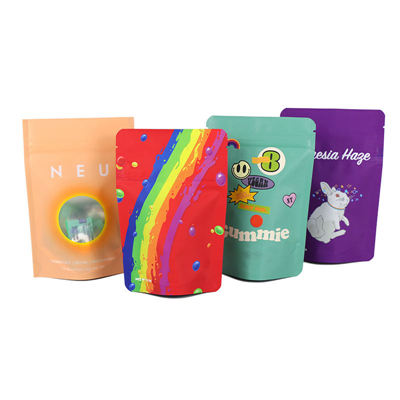
Consider the total cost of ownership, which includes not only the purchase price of the film but also the costs associated with packaging production, storage, and transportation. For example, a film that requires special handling or storage conditions may increase the overall cost.
Liquid Bag In conclusion, choosing the right packaging roll film for food involves a comprehensive consideration of food requirements, packaging design, environmental impact, and cost – effectiveness. As a packaging roll film supplier, I’m here to help you navigate through these considerations and find the best solution for your food packaging needs. Whether you’re looking for high – barrier films for long – shelf – life products or sustainable films for eco – friendly packaging, I have a wide range of options to meet your specific requirements. If you’re interested in learning more about our products or discussing your packaging needs, please feel free to reach out and start a procurement discussion.
References
- Robertson, G.L. (2012). Food Packaging: Principles and Practice. CRC Press.
- Singh, R.P., & Heldman, D.R. (2014). Introduction to Food Engineering. Academic Press.
- Yam, K.L., Takhistov, P.T., & Miltz, J. (2005). Intelligent Packaging Technologies for the Active Preservation of Food. Journal of Food Science. 70 (3), R1 – R10.
Shenzhen Hongbang Packaging Production Co., Ltd.
We are one of the most experienced packaging roll film manufacturers and suppliers in China, specialized in providing high quality custom service. Please feel free to buy bulk packaging roll film made in China here from our factory. For quotation and free sample, contact us now.
Address: Room 601, BLDG D, Wisdom Centre, No. 58 Nanlian Road, Longgang, Shenzhen China 518116
E-mail: pm@hongbangpack.com
WebSite: https://www.hongbangpack.com/
