Hey there! I’m a supplier of TUV Solar Cables, and today I wanna chat about the surface roughness requirement of TUV Solar Cable insulation. TUV Solar Cable
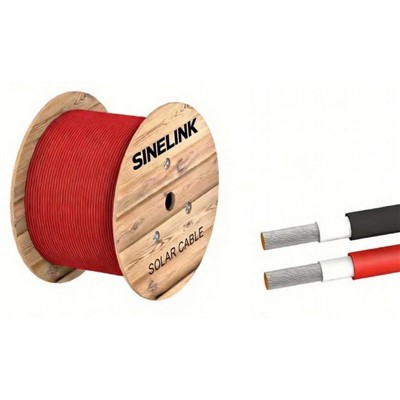
First off, let’s understand why surface roughness matters in the insulation of TUV Solar Cables. Solar cables are used in harsh outdoor environments, exposed to sunlight, extreme temperatures, and various weather conditions. The insulation of these cables plays a crucial role in protecting the conductors inside, preventing electrical leakage, and ensuring the overall safety and efficiency of the solar power system.
The surface roughness of the insulation can have a significant impact on several aspects. For starters, a smooth surface can reduce the adhesion of dust, dirt, and other contaminants. In solar power plants, especially in areas with high levels of airborne particles, a rough surface can attract and hold onto these particles. Over time, this accumulation can not only increase the risk of electrical breakdown but also reduce the heat dissipation ability of the cable. As we know, good heat dissipation is essential for the long – term performance of the cable, as excessive heat can degrade the insulation material and shorten the cable’s lifespan.
On the other hand, if the surface is too rough, it can also cause mechanical stress points. During the installation and operation of the solar cables, they may be bent, pulled, or come into contact with other objects. A rough surface can act as a weak point, where stress is concentrated. This can lead to micro – cracks in the insulation, which can further develop and eventually cause the insulation to fail.
Now, what exactly are the surface roughness requirements for TUV Solar Cable insulation? TUV, which stands for Technischer Überwachungsverein, is a well – known international testing and certification organization. Their standards for solar cable insulation surface roughness are designed to ensure the quality and reliability of the cables.
The specific surface roughness requirements usually depend on several factors. One of the key factors is the material of the insulation. Different insulation materials, such as ethylene – propylene rubber (EPR), cross – linked polyethylene (XLPE), or polyvinyl chloride (PVC), have different inherent properties and tolerance for surface roughness. For example, EPR is a relatively soft and flexible material, and it can tolerate a slightly higher level of surface roughness compared to XLPE, which is more rigid and has a lower tolerance for surface irregularities.
TUV typically specifies a maximum roughness average (Ra) value for the insulation surface. The Ra value represents the arithmetic average of the absolute values of the surface height deviations from the mean line. In general, for high – quality TUV Solar Cable insulation, the Ra value should be kept below a certain threshold, usually in the range of a few micrometers. This ensures that the surface is smooth enough to minimize contamination and mechanical stress issues.
Another aspect of the surface roughness requirement is the waviness and the profile of the surface. TUV also takes into account the long – wavelength deviations (waviness) and the overall shape of the surface profile. A wavy surface can cause uneven stress distribution along the cable, which can also affect the cable’s performance. The surface profile should be as uniform as possible to ensure consistent electrical and mechanical properties.
As a TUV Solar Cable supplier, I know how important it is to meet these surface roughness requirements. We have a strict quality control process in place to ensure that our cables comply with TUV standards. During the manufacturing process, we use advanced extrusion and finishing techniques to achieve the desired surface finish. Our inspection team conducts regular checks using specialized instruments to measure the surface roughness. Any cable that fails to meet the required surface roughness criteria is immediately rejected.
We also understand that customers often have specific requirements based on their project needs. For example, some projects may be located in extremely dusty or sandy areas, where an even smoother surface may be required to prevent excessive contamination. In these cases, we can work closely with the customers to adjust our manufacturing process and meet their specific surface roughness requirements.
In addition to meeting the TUV surface roughness requirements, we also focus on other aspects of cable quality. Our cables are designed to have excellent electrical insulation properties, high temperature and UV resistance, and good mechanical strength. We use high – quality raw materials and the latest manufacturing technology to ensure the reliability and durability of our products.
If you’re in the market for TUV Solar Cables, whether it’s for a small – scale residential solar project or a large – scale commercial solar power plant, we’re here to help. Our team of experts can provide you with detailed information about our products, including the surface roughness requirements and how we meet them. We can also offer customized solutions based on your specific project requirements.
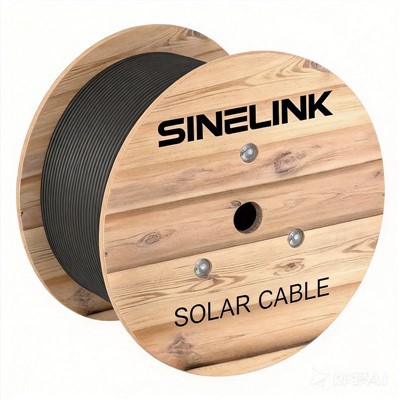
Don’t hesitate to reach out to us for a more in – depth discussion about your solar cable needs. We’re committed to providing you with the best quality TUV Solar Cables at a competitive price. Let’s work together to make your solar power project a success!
UL PV Wire References
- TUV Rheinland Solar Cable Standards Handbook
- Technical Documents on Solar Cable Insulation Materials
Tianjin Xilingke New Energy Technology Co., Ltd.
As one of the most professional tuv solar cable manufacturers and suppliers in China, we’re featured by quality products and low price. Please rest assured to wholesale durable tuv solar cable made in China here from our factory. For quotation, contact us now.
Address: Suite 2601, Tower B, Wanghai International, Haihe East Road, Hebei District, Tianjin, China.
E-mail: robin@sinelinkev.com
WebSite: https://www.sinelinkenergy.com/
