In the dynamic world of oil and gas exploration, the selection of appropriate drilling tools is a critical decision that significantly influences the efficiency, safety, and cost – effectiveness of drilling operations. As a supplier of Non – Magnetic Drill Subs, I often encounter inquiries regarding how the cost of these specialized tools compares with other drilling equipment. This blog aims to provide a comprehensive analysis of this topic, shedding light on the factors that affect costs and the value proposition of Non – Magnetic Drill Subs. Non-Magnetic Drill Subs
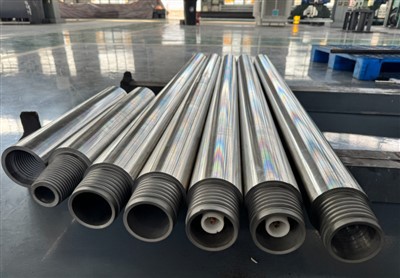
Understanding Non – Magnetic Drill Subs
Non – Magnetic Drill Subs are essential components in the drilling process, particularly in directional drilling. They are typically made from non – magnetic materials such as stainless steel or Monel alloy. These materials do not interfere with the magnetic measurements taken by downhole instruments, which are crucial for accurately determining the wellbore’s position and trajectory. By providing a non – magnetic environment, Non – Magnetic Drill Subs ensure the reliability of measurement – while – drilling (MWD) and logging – while – drilling (LWD) operations.
Cost Factors Affecting Non – Magnetic Drill Subs
Material Costs
The choice of material is a primary determinant of the cost of Non – Magnetic Drill Subs. High – quality non – magnetic materials, such as certain grades of stainless steel or Monel alloy, are more expensive than common steel used in many standard drilling tools. These materials are specifically selected for their non – magnetic properties, corrosion resistance, and high strength. For example, Monel is a nickel – copper alloy known for its excellent mechanical properties in harsh environments, but its high cost reflects its quality and performance characteristics.
Manufacturing Complexity
The manufacturing process of Non – Magnetic Drill Subs is more intricate compared to some other drilling tools. Precision machining is required to meet the strict dimensional tolerances necessary for proper functionality. The non – magnetic materials can be more challenging to work with due to their hardness and unique properties. Specialized heat treatment and finishing processes may also be necessary to ensure the desired mechanical and magnetic properties. These additional manufacturing steps increase the overall cost of production.
Quality and Certification Requirements
Non – Magnetic Drill Subs must meet rigorous quality and certification standards. They need to pass tests for magnetic permeability, mechanical strength, and corrosion resistance. Meeting these standards often involves extensive quality control measures during the manufacturing process, including non – destructive testing and detailed inspection. These quality assurance procedures add to the cost but are essential for ensuring the safety and reliability of the drilling operations.
Cost Comparison with Other Drilling Tools
Drill Pipes
Drill pipes are one of the most commonly used drilling tools. They are typically made of high – strength steel and are used to transmit torque and drilling fluid from the surface to the drill bit. In terms of cost, drill pipes are generally more affordable than Non – Magnetic Drill Subs. The materials used in drill pipes are more commonly available, and the manufacturing process is less complex. However, drill pipes lack the non – magnetic properties required for accurate downhole measurements. When directional drilling is involved, the use of Non – Magnetic Drill Subs becomes necessary, despite their higher cost.
Drill Bits
Drill bits are another crucial component in drilling operations. They come in various types, such as roller cone bits and fixed cutter bits, and are designed to break through rock formations. The cost of drill bits can vary significantly depending on the type, size, and the materials used. Some high – performance drill bits with advanced cutting structures and materials can be quite expensive. However, compared to Non – Magnetic Drill Subs, drill bits may have a shorter lifespan as they are subject to high wear and tear. While the upfront cost of a drill bit may be comparable to or even higher than a Non – Magnetic Drill Sub, the need for frequent replacement of drill bits can result in higher long – term costs.
Stabilizers
Stabilizers are used to keep the drill string centered in the wellbore, reducing vibration and improving the stability of the drilling process. They are typically made of steel and are relatively simple in design compared to Non – Magnetic Drill Subs. The cost of stabilizers is generally lower due to the simplicity of their construction and the use of more common materials. However, stabilizers do not have the non – magnetic functionality. In applications where accurate magnetic measurements are required, the addition of Non – Magnetic Drill Subs is indispensable.
Value Proposition of Non – Magnetic Drill Subs
Despite their higher cost, Non – Magnetic Drill Subs offer significant value in drilling operations.
Accuracy in Wellbore Placement
The accurate measurement of the wellbore’s position and trajectory is crucial for maximizing the productivity of an oil or gas well. Non – Magnetic Drill Subs enable the use of MWD and LWD tools, which provide real – time data on the wellbore’s orientation and geology. This data allows drillers to make precise adjustments to the drilling path, ensuring that the well reaches the target reservoir more efficiently. By improving the accuracy of wellbore placement, Non – Magnetic Drill Subs can increase the hydrocarbon recovery rate, which ultimately offsets their higher cost.
Reduced Drilling Risks
Inaccurate wellbore placement can lead to various drilling risks, such as wellbore collisions, stuck pipe, and missed targets. These risks can result in costly downtime, additional drilling operations, and potential damage to equipment. Non – Magnetic Drill Subs help to mitigate these risks by providing reliable magnetic measurements. By reducing the likelihood of drilling problems, they can save significant costs associated with wellbore remediation and equipment repair.
Long – Term Cost Savings
While the upfront cost of Non – Magnetic Drill Subs is higher than some other drilling tools, their long – term use can result in cost savings. Their durability and ability to withstand harsh downhole conditions mean that they do not need to be replaced as frequently as some other components. Additionally, the improved drilling efficiency and accuracy they provide can lead to shorter drilling times, reducing overall operating costs.
Making an Informed Decision
When considering the cost of Non – Magnetic Drill Subs in comparison to other drilling tools, it is important for operators to take a holistic approach. Instead of focusing solely on the upfront cost, they should evaluate the long – term benefits and the impact on the overall drilling project. Factors such as the complexity of the drilling operation, the need for accurate wellbore placement, and the potential risks should all be taken into account.

In many cases, the use of Non – Magnetic Drill Subs is a strategic investment that can lead to improved drilling performance and increased profitability. As a supplier of Non – Magnetic Drill Subs, I am committed to providing high – quality products at competitive prices. I understand the importance of balancing cost and performance in the drilling industry, and I am here to assist you in making the best decision for your specific drilling needs.
Non-Magnetic Tools for Coal If you are interested in learning more about our Non – Magnetic Drill Subs or would like to discuss how they can fit into your drilling operations, I encourage you to contact me for a purchasing consultation. Our team of experts is ready to provide you with detailed information, technical support, and customized solutions.
References
- Spears & Associates. (Year). Global Oilfield Equipment Market Report.
- American Petroleum Institute (API). (Year). Standards for Drilling Equipment.
- Smith, J. (Year). "Advanced Drilling Tools and Their Cost – Benefit Analysis." Journal of Petroleum Engineering.
Shanxi Zhonghe Non-Magnetic Drill Tool Co., Ltd.
Address: No.168 Fenglei Street, Houma City, Linfen City, Shanxi Province, China.
E-mail: lucy@nmdrillcollar.com
WebSite: https://www.zhnmdc.com/
