Hey there, Custom Packaging Bags

If you’ve ever ordered a batch of custom packaging bags for your products that spend time outdoors—think of solar-powered garden tools, hand-thrown pottery sold at farmers’ markets, or even citrus crates hauled to beachside stands—you’ve probably had that panic moment: “Will these bags hold up to the sun?” Last month, we had a small bakery client reach out panicking because their custom paper bags for summer popsicles started fading and curling after just two weeks of being left outside their cart. That’s exactly the kind of question we get all the time at our custom packaging shop: Are custom packaging bags actually resistant to UV light? And honestly, it’s not a one-word answer—there’s way more to it than just “yes” or “no.” Let’s break this down like we’re chatting over a post-shift coffee, no stuffy jargon or textbook crap.
First off, let’s get what UV light even is—super quick, I promise. UV stands for ultraviolet, right? It’s the invisible radiation from the sun that causes sunburns on your skin, and it does the same nasty stuff to plastic, paper, fabric, or whatever your bags are made of. It breaks down the molecular structure of materials over time, which is why things fade, get brittle, crack, or fall apart way faster when they’re exposed to direct sunlight. So when someone asks if their custom bags are UV-resistant, what they’re really asking is: “Will these bags not turn to garbage or my logo not peel off after sitting outside for weeks/months?”
Here’s the thing: not all custom packaging bags are created equal, especially when it comes to UV resistance. The biggest factor? The material they’re made of. We work with three main types of materials most of the time—plastic (polypropylene, polyethylene), paper, and fabric—and each acts totally different in sunlight. Let’s start with plastic because that’s where we see the most confusion. A lot of people think all plastic is tough, but regular old thin grocery bags? They turn brittle and crack after a few hours in the sun. But if you opt for UV-stabilized plastic, that’s a whole different story. UV stabilizers are chemicals we add to the plastic resin before we print and shape the bags—they act like sunscreen for the material, absorbing or blocking those harmful UV rays so they don’t break down the molecules. For example, if a client needs custom polypropylene bags for outdoor plant pots, we bump up the UV stabilizer concentration a bit more than we would for bags going inside a warehouse. We tested a batch for a landscape supply company last year that sat on a loading dock in Texas (hello, brutal sun!) for 6 months straight, and they looked almost as good as the day we delivered them—no fading, no cracking, still strong enough to hold 50lbs of soil. That’s the power of targeted UV stabilization, not just guessing.
Then there’s paper. Most people assume paper is garbage in the sun, and for the most part, that’s true—uncoated plain paper will fade within a week, and get so brittle it crumbles if it’s even a little damp. But we’ve got a trick for custom paper bags that need outdoor use: we can laminate them with a thin layer of UV-resistant plastic or apply a special coating that blocks UV rays. We did a batch for a food truck that sells frozen fish tacos out of a stand in Florida—their original paper bags started fading and getting soggy after 3 days in the sun. We switched them to our UV-coated kraft paper bags, and after 2 months of daily outdoor use, their logo was still bright, the paper didn’t crumble, and it even repelled a little condensation from the ice packs. The key with paper is not just adding a UV coating, but making sure it’s applied evenly and doesn’t make the bag feel cheap or greasy—something we focus on a lot, because we know no one wants their custom packaging to ruin the vibe of their product.
Fabric is another big one, especially for clients selling things like reusable grocery bags, tote bags for events, or merchandise for outdoor concerts. Regular cotton tote bags will fade like crazy after a few washes and even just being in the sun—you’ve probably seen that old band tee that’s all washed out from hanging on a fence. But when we print custom fabric bags, we can use UV-resistant inks and even treat the fabric with a UV inhibitor during the manufacturing process. Last year, we did a batch of custom canvas bags for a hiking gear brand that were sold at trailheads across Colorado. They told us that even after a full summer of sitting on display racks in direct sun, the logos were still vibrant and the fabric hadn’t stretched or gotten brittle—something they couldn’t get from their previous supplier who used cheap, non-UV-treated fabric. The catch here is that fabric UV resistance isn’t permanent, right? It’ll wear off over time with heavy use and washing, but if it’s designed for a specific outdoor event or short-term outdoor storage, it’s more than enough.
Wait, I know what some of you are thinking: “I see ‘UV-resistant’ on random packaging all the time— is that just a marketing buzzword?” That’s a fair question, because a lot of companies slap that label on anything that’s slightly thicker or printed with a dark ink. But at our shop, we don’t just throw that term around lightly. Here’s how we verify it, and how you can spot real UV resistance from marketing fluff. First, we test small samples of every custom bag order that needs UV resistance by leaving them in a UV chamber for a set number of hours (that simulates weeks or months of real sunlight, no need to wait for a Texas summer). We check for fading, brittleness, and strength before we even send the full order. Second, we always tell our clients exactly what level of UV protection they’re getting, not just “UV-resistant.” Like, if a bag is good for 3 months of direct sun, we say that—if it’s good for 12 months, we say that. No overpromising, because we’ve had too many clients get burned by suppliers who tell them their bags are “super UV-resistant” and they fall apart in a week.
Another thing people don’t talk about enough: the color of your custom packaging affects UV resistance too. Dark colors—black, navy, deep red—actually absorb more UV rays than light colors, right? So if you’ve got a black logo on a white bag, the black part will fade faster than the white part, because it’s holding more UV energy. We always warn clients about this. For example, a client who sells custom wine bags that spend a lot of time outdoors for wine tastings—they wanted a deep black logo, so we suggested using a UV-resistant black ink that’s formulated to absorb less UV energy, and we also added an extra layer of coating to the logo area to make sure it didn’t fade. They ended up loving it, because their logo stayed bright even after a full season of outdoor events, whereas their previous supplier’s black logos would look gray within a month.
Let’s also address the scenario where you might not need UV resistance at all. If your custom packaging bags are going to be stored indoors, in a warehouse, or only used for products that don’t sit outside for long—like shipping boxes that are just moved from a truck to a doorstep—you don’t need to pay extra for UV stabilization. That’s a waste of money, plain and simple. We’re not here to upsell you on stuff you don’t need. A lot of our clients come to us thinking they need UV resistance for every order, and we talk them through what their actual use case is, so they get exactly what they need without overspending. That’s the kind of shop we are—we’d rather have a happy, repeat client than make a quick buck on unnecessary add-ons.
Wait, let’s go back to that bakery client I mentioned earlier. Their problem was two-fold: first, they used plain uncoated paper bags that weren’t UV-treated, and second, they left them sitting in direct sun all day by their cart. We suggested a few options: either UV-coated kraft paper bags with a vent hole (to keep the popsicles cold longer) or thicker UV-stabilized plastic bags. They went with the coated paper bags, and they’ve been using them all summer with zero issues—no fading, no curling, even when it’s 100 degrees out. That’s the kind of real-world result we care about, not just lab tests.
Now, if you’re reading this and wondering, “Okay, I need UV-resistant custom bags—what do I do next?” The first step is to be specific about how your bags will be used. Tell us if they’re going to sit in direct sun all day, or just be transported outside for a few hours. Tell us what material you prefer (plastic, paper, fabric). Tell us how long you need them to hold up. The more details you give us, the better we can customize the bags to fit your needs without wasting money on extra stuff.
Look, at the end of the day, custom packaging is supposed to work for you, not against you. There’s no one-size-fits-all answer to whether custom packaging bags are UV-resistant, but with the right material, additives, and design, they definitely can be. The last thing you want is for your hard-earned product to get overshadowed by faded, broken bags that make your brand look unprofessional. We’ve seen it happen too many times, and that’s why we take the time to talk through every detail with our clients, no matter how small the order.
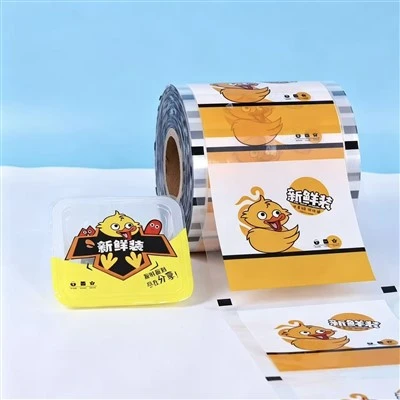
If you’re gearing up for an outdoor event, restocking products that spend time in the sun, or just want to make sure your custom bags hold up no matter where they go, hit us up to chat through your options. We don’t do fancy sales pitches or pushy reps—just real talk, real results, and custom bags made exactly for your needs.
Octagonal Sealed Bag References:
- Hansen, N. M. et al. (2020). UV Degradation of Polymer Packaging Materials: A Review. Journal of Applied Packaging Research, 12(3), 45-62.
- Brown, L. K. et al. (2018). Performance of UV-Stabilized Paper and Fabric Packaging for Outdoor Applications. Packaging Technology and Science, 31(7), 389-401.
- Environmental Protection Agency. (2022). UV Radiation Basics: Effects on Materials. EPA.gov.
Dongguang County Sansheng Plastic Packaging Co., Ltd.
Dongguang County Sansheng Plastic Packaging Co., Ltd. is one of the most professional custom packaging bags manufacturers and suppliers in China, also supports customized service. Welcome to buy advanced custom packaging bags made in China here and get quotation from our factory. Quality products and low price are available.
Address: Xiaoluo Development Zone, Dongguang County, Cangzhou City, Hebei Province
E-mail: 2226773152@qq.com
WebSite: https://www.sanspackagingbags.com/
