If you’ve ever stood near an underground loading trolley operation during a shift change or a heavy haul, you know the thin, choking dust that hangs in the air long after the last load is pulled. As a supplier of underground loading trolleys, I get asked this question all the time: “How do you keep that dust under control before it coats every surface, clogs equipment, or creates a safety hazard for the crew?” Today, I’m breaking down exactly what our dust suppression system for these machines is, how it works, and why it’s non-negotiable for safe, efficient underground mining and tunneling operations. Underground Loading Trolley
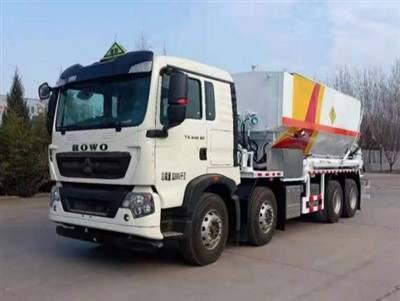
First, let’s ground this in the reality of underground work. When a loading trolley rips through rock muck, soil, and broken material, it doesn’t just carry that load in its bucket—dislodged particles go flying into the air, creating respirable dust that’s tiny enough to get deep into lungs, particulate matter that clogs ventilation systems, and even explosive dust accumulations on beams and machinery. For underground crews, dust isn’t just an annoyance; it’s a OSHA violation, a respiratory risk, and a maintenance nightmare. That’s why every loading trolley we build integrates a purpose-built dust suppression system—not an afterthought, not a add-on, part of the machine’s core design.
Let’s walk through how our system works, step by step, because it’s not just spraying water. It’s a targeted, modular system that’s synced to the trolley’s operation. First, we have a high-pressure water pump mounted to the trolley’s chassis, usually connected to the mine’s existing water supply line (we also offer a on-board 500-gallon water tank for sites with limited infrastructure). This isn’t your garden hose pressure; it runs at 120 to 150 PSI, enough to break water into fine mist but not so high that it blows dust away before it can bond with water molecules. That’s a critical balance—too little pressure, and the mist is too coarse, falls to the ground before hitting airborne particles; too much, and it just aerates the dust more, making it worse.
Next, the mist nozzles. Mounted strategically around the trolley, not just haphazardly. We place four primary nozzles on the bucket frame, two on each side, positioned to spray directly at the bucket’s cutting edge and the muck it’s lifting. That’s where dust is generated first—when the bucket digs into a pile and dislodges particles. We add secondary nozzles along the front and rear bumper of the trolley, aimed at the path the muck will travel as it’s dumped into a haul truck or conveyor. And for operations that deal with particularly fine silica dust or coal dust, we install an additional set of nozzles under the trolley’s cab, to capture any particles that drift up toward the operator’s breathing zone. Every nozzle is adjustable, too—site supervisors can tweak the spray pattern from a wide mist for loose muck to a narrow stream for heavy, compacted rock.
But here’s what makes our system different from basic water spraying: it’s motion-activated, not manual. We sync the pump and nozzles to the trolley’s hydraulic system, so the mist only turns on when the bucket is in motion. When the trolley is moving empty, or parked to unload, the system automatically shuts off to save water and reduce mess on the haul roads. We also add a secondary sensor that triggers the system if dust levels in the area exceed a set threshold, using a small particulate sensor mounted on the cab roof. That’s a fail-safe—if ventilation drops or there’s a sudden dust spike from a large blast, the system kicks in even if the operator forgets to engage it.
Another key feature we build in is water treatment integration. A lot of mine sites use recycled process water for dust suppression, which can have minerals or sediment in it that clogs nozzles over time. Our system includes a built-in inline filter, easy to access for quick cleaning, and we design nozzles with wide internal pathways to minimize clogging. We also offer an optional chemical additive system, where operators can mix non-toxic, environmentally friendly dust suppressants into the water for sites that need extra control—this stuff binds particles more tightly, so they don’t get kicked back up when the trolley rolls over haul roads or a wind draft hits.
Let’s talk about why this matters for the end user, not just engineering specs. I’ve been working with underground loading equipment for 18 years, and I’ve seen sites go from having 12-hour shift exposures with dust levels above OSHA limits, to cutting respirable dust by 80% within a week of installing our trolleys. That means fewer sick days for crews, less need for heavy ventilation systems that waste energy, and lower maintenance costs—less dust means less time cleaning machinery, less clogged filters, fewer breakdowns from particles getting into motors and hydraulics.
I also get asked about harsh environments, because underground work isn’t one-size-fits-all. We’ve built our dust suppression system to work in temperatures from -20°F to 120°F, so it works in deep cold mines in Canada and hot, humid tunnels in Southeast Asia. The pump is sealed to prevent dust and water damage, and all the plumbing is mounted out of the way of muck piles and moving parts, so it doesn’t get damaged during regular operation. We also test every system before it leaves our facility, running it through simulated loading cycles to make sure nozzles spray evenly, the motion sync works, and there are no leaks.
Wait, I should address a common myth: some operators think dust suppression makes the floor too slippery, creating a fall hazard. That’s a fair concern, and we designed our system to avoid that. The mist only falls on the muck pile and the area immediately around the bucket, not the main haul roads. If a site does have a slippery spot from occasional spills, we offer optional anti-slip traction pads that go down over the haul roads, and our system’s targeted spray means we’re not dousing the entire tunnel floor. We also work with sites to adjust water flow rates—if a muck pile is naturally moist, we can cut the spray by 50% to avoid excess water.
As a supplier, I don’t just sell a trolley and its dust suppression system and walk away. We offer on-site training for crews to use the system, regular maintenance checklists, and replacement nozzles and filters that are easy to source anywhere, no special parts needed. We also work with sites to customize the system for their specific operation—if they’re loading very fine coal dust, we can add additional mist nozzles at the conveyor transfer point. If they’re tunneling for infrastructure projects with limited water access, we can adjust the system to use water more efficiently, cutting consumption by up to 40% compared to basic systems.
I’ve seen first-hand what happens when dust control is an afterthought: crews wearing heavy respirators all shift, equipment breaking down prematurely, compliance inspections that lead to fines. That’s why making the dust suppression system a core part of the loading trolley’s design is non-negotiable for us. It’s not just about meeting industry standards—it’s about keeping the people working in those underground sites safe, and keeping operations running smoothly without costly interruptions.

If you’re a mine manager, tunnel operator, or project superintendent looking to upgrade your underground loading equipment, or you’re dealing with persistent dust issues in your current operation, our team can walk you through how our dust suppression system works, what customization options fit your site, and how it will improve safety and efficiency for your crew. We don’t use one-size-fits-all solutions; every underground site is different, and we build our systems to match your needs, not the other way around. Feel free to reach out to our team for a consultation to discuss your requirements and get tailored guidance for your operation.
Explosives Production Line References
Mine Safety and Health Administration (MSHA). (2022). respirable dust control for underground metal and nonmetal mines. U.S. Department of Labor.
International Society of Mine Ventilation (ISMV). (2021). Dust suppression technologies for underground loading and haulage equipment. Proceedings of the 16th U.S. Mine Ventilation Symposium.
National Institute for Occupational Safety and Health (NIOSH). (2020). Best practices for respirable dust control in underground tunneling operations. Centers for Disease Control and Prevention.
Underground Construction Technology Association (UCTA). (2023). Equipment design guidelines for dust control in underground mining and tunneling. UCTA Standards and Practice Committee.
Shanxi Honghu Special Purpose Vehicle Manufacturing Co., Ltd.
As one of the most professional underground loading trolley manufacturers and suppliers in China, we’re featured by quality products and good price. Please rest assured to buy bulk underground loading trolley in stock here and get pricelist from our factory. Also, custom service is available.
Address: No. 16 Nanhuan West Street, Changzhi Economic and Technological Development Zone, Shanxi Province
E-mail: sxczhh15035590669@163.com
WebSite: https://www.mixedexplosivestruck.com/
