Hey everyone, it’s Jake here from the PVC Pipe & Fittings supply crew – you know, the folks you hit up when you need reliable, no-fuss pipe solutions for any project. Today, I’m tackling a question we get all the time from contractors, DIYers, and even homeowners: can PVC pipes actually be used outdoors? PVC Pipe & Fittings
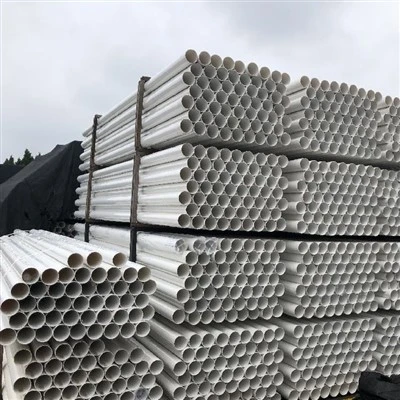
Let me cut to the chase: yes, they absolutely can – but there’s a little fine print that makes all the difference between a job that lasts 20+ years and one that’s falling apart after two harsh winters. I’ve been in this game for a decade, and I’ve seen both sides – the wins when someone picks the right PVC for an outdoor spot, and the headaches when they grab the wrong stuff because they thought “PVC is PVC, right?” Spoiler: it’s not.
First, let’s break down what makes outdoor use tricky. When PVC hangs outside, it’s not just sitting in a nice, stable indoor temp. You’ve got UV rays baking it all summer, freezing temps cracking it in winter, rain and humidity eating away at fittings, and even dirt and debris brushing against it for years. Regular indoor PVC is made to handle consistent temps – usually 40 to 110 degrees Fahrenheit – but outdoor environments flip that script. So, you can’t just take the white pipe you used for your indoor sprinkler system and plop it in the ground for a backyard drainage line. That’s a fast track to replacement.
Wait, let’s talk about the difference between schedule 40 PVC and… well, the others. Most people know schedule 40 is the workhorse, but here’s a deep cut: schedule 40 PVC is suitable for outdoor use – but only if it’s formulated for it. The key here is UV stabilizers. Regular indoor PVC doesn’t have those. If you leave un-stabilized PVC out in the sun for even a year, it’ll turn yellow, get brittle, and start cracking like old plastic. I’ve had a customer bring back a pile of pipe last spring – he’d used indoor PVC for his garden hose spigot line, and after one summer of Texas sun, half of it crumbled when he turned the water on. Ouch. That’s a $200 mistake he won’t make again.
Now, the good stuff: our UV-resistant outdoor PVC pipes. We stock these specifically because so many folks overlook the stabilizer thing. They’re infused with additives that block those harsh UV rays – same stuff used in sunscreen, but for plastic. I personally installed a outdoor rainwater collection system on my own shed two years ago with this pipe, and it still looks brand new, no fading, no leaks. They hold up to temps from -20 degrees to 140, which covers pretty much every climate in the US. Even in places like Minnesota where the ground freezes solid, as long as you bury the pipe below the frost line (pro tip: that’s usually 12 to 18 inches deep, depending on your county), the outdoor PVC won’t crack. I’ve seen frozen water lines made with this stuff survive Minnesota winters – no splits, no mess.
But wait, what about other outdoor uses? Not just burying underground. Let’s say you’re building an outdoor structure – maybe a pergola with a support system, or a fence that uses PVC for rails. Wait a second – that’s a different type! Those are often cellular PVC, which is way denser than regular schedule 40. It’s not just for pipes; it’s made to hold up to outdoor elements without warping or rotting, which is perfect for structural stuff. We carry both the pressure-rated PVC (for water lines, sprinklers) and the structural PVC (for fences, supports) because each has its own job. A lot of people mix these up, and that’s another mistake. If you use a structural PVC pipe (which isn’t pressure-rated) for a water line, it’ll leak – and if you use pressure-rated for a fence, it might bend or break under weight. Know your end use, and pick the right product.
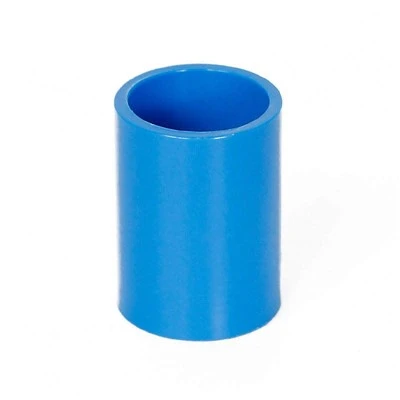
What about fittings? Don’t sleep on those either. Outdoor fittings need the same UV stabilizers as the pipe. We get people all the time who try to pair indoor fittings with outdoor pipe, and the two don’t play nice – the fitting can become brittle, or the seal breaks, leading to leaks. Our outdoor PVC fittings are made to match the pipe, so you don’t have that mismatch. We also have slip-on vs. threaded fittings for outdoors. If you’re burying pipe, slip-on (solvent-weld) fittings are better because they create a seamless, leak-proof bond that doesn’t corrode. Threaded fittings are good for above-ground stuff, like connecting to a spigot, but you have to make sure you use Teflon tape rated for outdoor use to keep water from seeping in.
Let’s get real about common myths. I heard someone say once that PVC leaches chemicals into soil or water when it’s outside. That’s a old myth – modern PVC, especially the outdoor rated stuff, meets all EPA standards for drinking water. We test every batch of our pipe and fittings to make sure they don’t leach any harmful stuff, so you can use them for rainwater collection, garden irrigation, even potable water lines (as long as you get the potable-rated PVC, which we also stock). The stuff you need to watch out for is cheap, no-name PVC from big-box stores that doesn’t have the proper certifications – that’s where the leaching risks come from, not our quality stuff.
Another myth: PVC won’t hold up to chemicals outdoors. If you’re using it for a chemical tank or drainage for industrial runoff, regular PVC might not be enough, but our outdoor PVC is resistant to most acids, fertilizers, and even mild chemicals like those found in pool water. I have a pool contractor client who’s been using our PVC for pool drain lines for 5 years, and he hasn’t had a single complaint. For harsh chemicals, we do carry PVC-C, which is a chlorinated version that’s even more resistant – but that’s a more specialized product, so we save that for specific jobs.
Now, let’s talk about installation – because even the best pipe will fail if you install it wrong. First, the frost line thing I mentioned earlier. If you’re burying pipe in a cold area, go below the frost line. If you don’t, the water inside can expand when it freezes, and even though PVC is flexible enough to handle a little expansion, repeated freezing and thawing above the frost line can crack it. I’ve seen that happen – pipe buried just 10 inches deep in Wisconsin split open after one winter. Another tip: don’t over-tighten fittings. A lot of DIYers think tighter is better, but too much torque can crack the pipe or fitting, especially when it’s cold. We tell people to hand-tighten plus a quarter turn – that’s the sweet spot.
For above-ground outdoor use, like a drainage pipe running along your house foundation, make sure to support it every 3 to 5 feet so it doesn’t sag. Sagging pipe can trap water, which leads to mold or even breaks. Also, if you’re running it where it gets a lot of foot traffic, add a protective cover or use a thicker-wall PVC (schedule 80, if you need extra durability). Schedule 80 is heavier, thicker, and even more resistant to impact – perfect for spots where people might trip over it, or lawn equipment could hit it.
Wait, what about long-term? How long does outdoor PVC actually last? We’ve got a job from 1998 where we supplied PVC for a backyard sprinkler system, and the homeowner still uses it. It’s faded a little, but no cracks, no leaks. That’s 25 years – way longer than cheaper alternatives like metal pipe, which rusts after 10 to 15 years. Metal pipe also needs more maintenance – painting, sealing, fixing rust spots – whereas our outdoor PVC is basically maintenance-free. Just occasional checks for clogs (same as any pipe) and you’re good.
Let’s wrap this up with a quick guide so you don’t get confused:
- For underground water/sprinkler lines: Grab UV-stabilized, pressure-rated schedule 40 PVC, bury below frost line, use solvent-weld fittings.
- For above-ground drainage, fences, or outdoor structures: Use structural cellular PVC (it’s stiffer, resists warping).
- For potable water: Make sure it’s labeled “NSF certified” – we carry those too, no extra hassle.
- Avoid generic indoor PVC – it’s not built for sun or temperature swings.
I know this was a lot, but the short answer is: yes, PVC can be used outdoors – you just have to pick the right type and install it right. If you’re still not sure what you need, don’t guess. That’s how people end up with bad jobs. Hit us up, and we can help you figure out exactly what pipe and fittings work for your specific outdoor project. No pressure, no jargon, just straight-up advice from people who’ve been in the trenches. We’re here to make sure your outdoor project lasts, not falls apart next year.
PVC Pipe & Fittings References:
- National Pipe and Plastic Association (NPHA) – Outdoor PVC Pipe Performance Standards.
- American Society for Testing and Materials (ASTM) – Standard Specifications for PVC Pipes for Pressure Applications.
- International Code Council (ICC) – Residential Outdoor Plumbing Installation Guidelines.
Shanxi Kaisheng Plastic Co., Ltd.
As one of the most professional pvc pipe & fittings manufacturers and suppliers in China, we’re featured by quality products and good price. Please rest assured to buy customized pvc pipe & fittings made in China here from our factory. Welcome to contact us for quotation.
Address: No.72, Area S, Gate 1, Haohai Wumart, Fendong Street, Xiaodian District, Taiyuan City, Shanxi Province
E-mail: sxkssj8@163.com
WebSite: https://www.sx-kssj.com/
